

The Option Most Owners Never Hear About
Mitigation is usually presented as a planting obligation, and on most sites it’s discharged by planting. That isn’t the only route these ordinances allow.
Several cities here will take money instead, into a dedicated fund, at a rate the code sets out. It’s a legitimate compliance path rather than a loophole, and it exists precisely because some sites genuinely can’t absorb the trees their own removals generate.
What follows is what each city will take and what it costs, so it can be a decision rather than something nobody raised.
Garland Puts A Number On It
Garland is the most explicit, and the arithmetic is worth seeing side by side.
The fee is payment into a City Reforestation and Tree Management Fund equal to one hundred percent of the cost of the replacement trees, calculated on the cost of three-inch caliper trees totaling the mitigation caliper inches required, moved to and installed on the site. The stated rate is one hundred and fifty dollars per diameter inch.
Set that against Garland’s civil penalty for removing or injuring a tree in violation: two hundred and fifty dollars per diameter inch. Complying and paying costs about sixty percent of not complying and being caught, which is unusually legible for a municipal code.
Three Ways Out Of A Planting Obligation
Paying is one. There are two others, and on a tight site they’re often better.
Plant It Somewhere Else
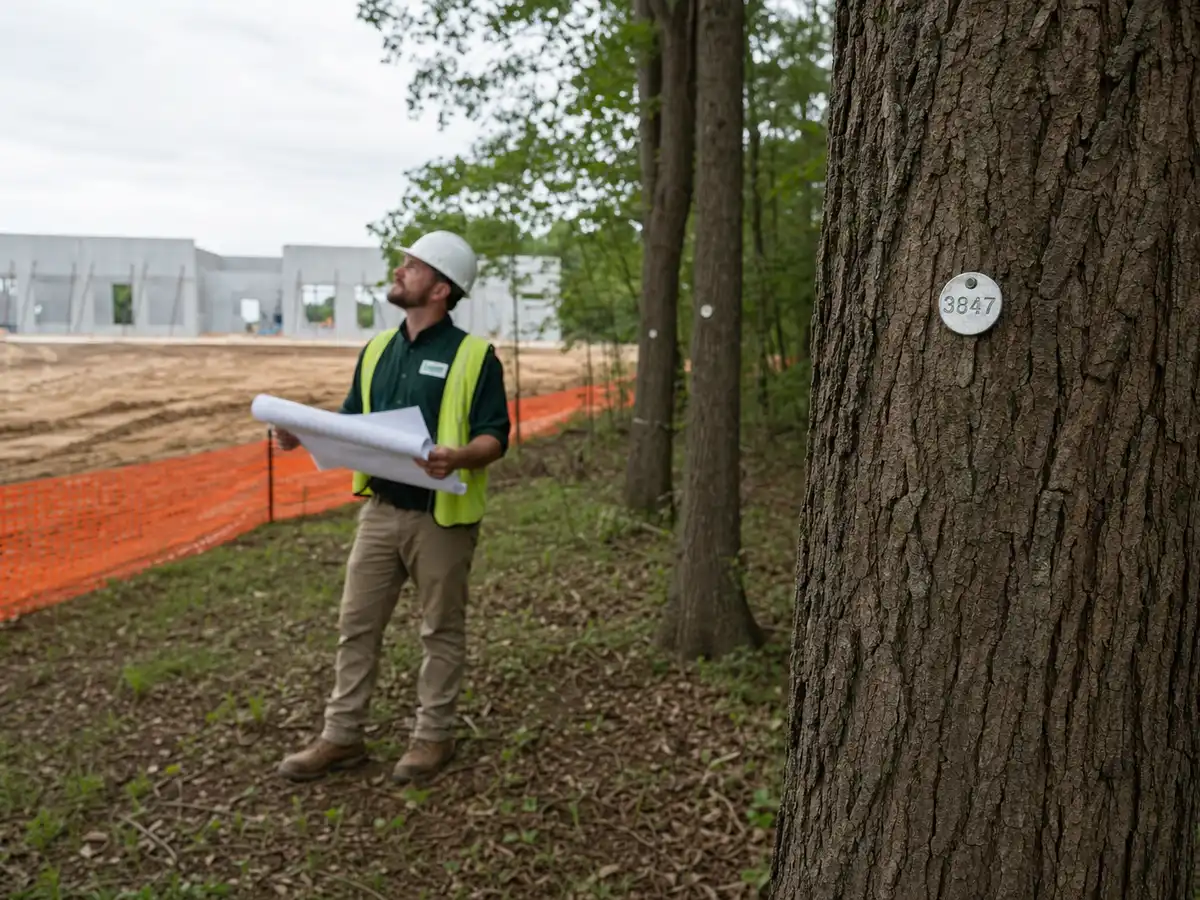
Plano allows replacement planting in rights-of-way, medians, private open space or public park land, with the Director of Planning’s approval. Between planting on a full site and paying a fee, that middle route often goes unconsidered.
Trade Parking For Canopy
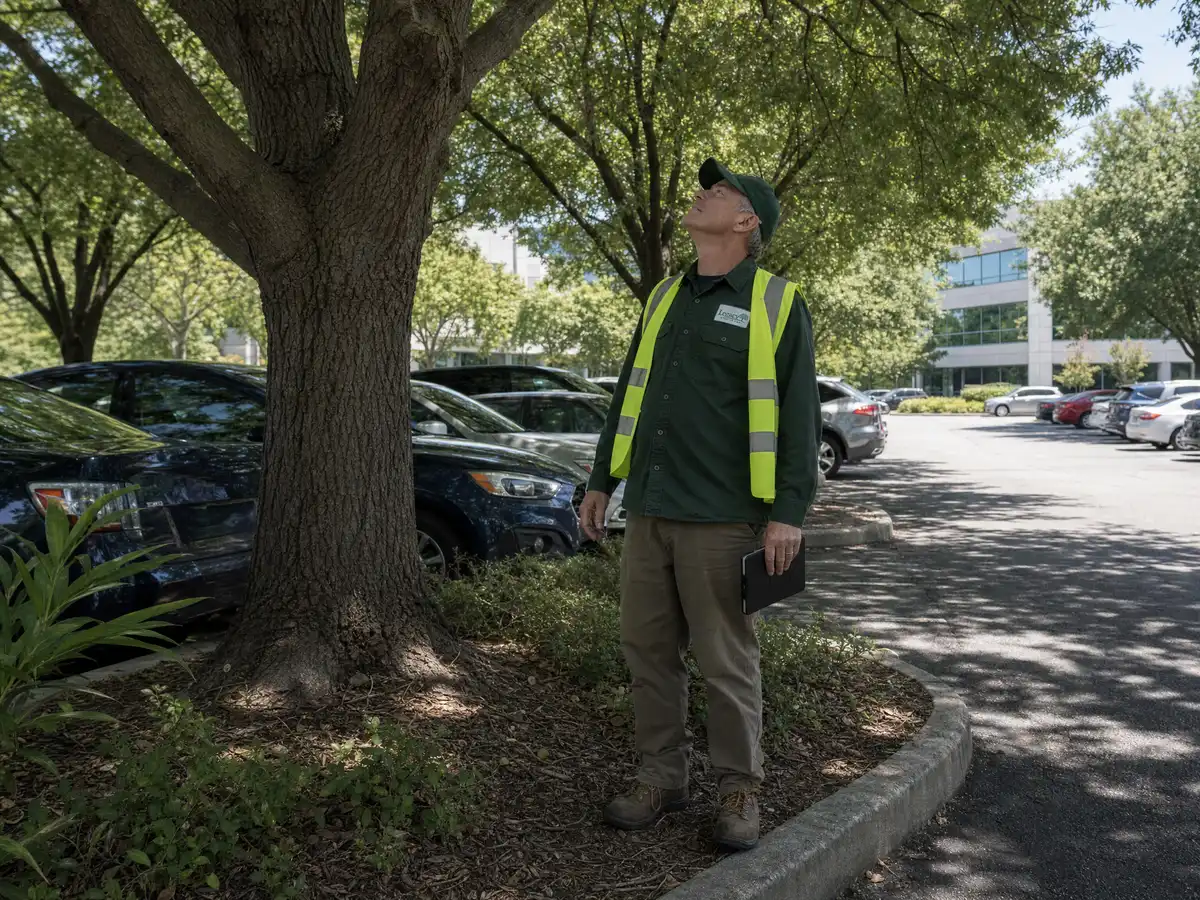
To preserve significant trees inside a proposed parking area, Garland’s Planning Director may approve up to a ten percent reduction in required parking spaces. Very few sites ask, and on a canopy-heavy lot the trade can be worth taking.
Move It Rather Than Replace It
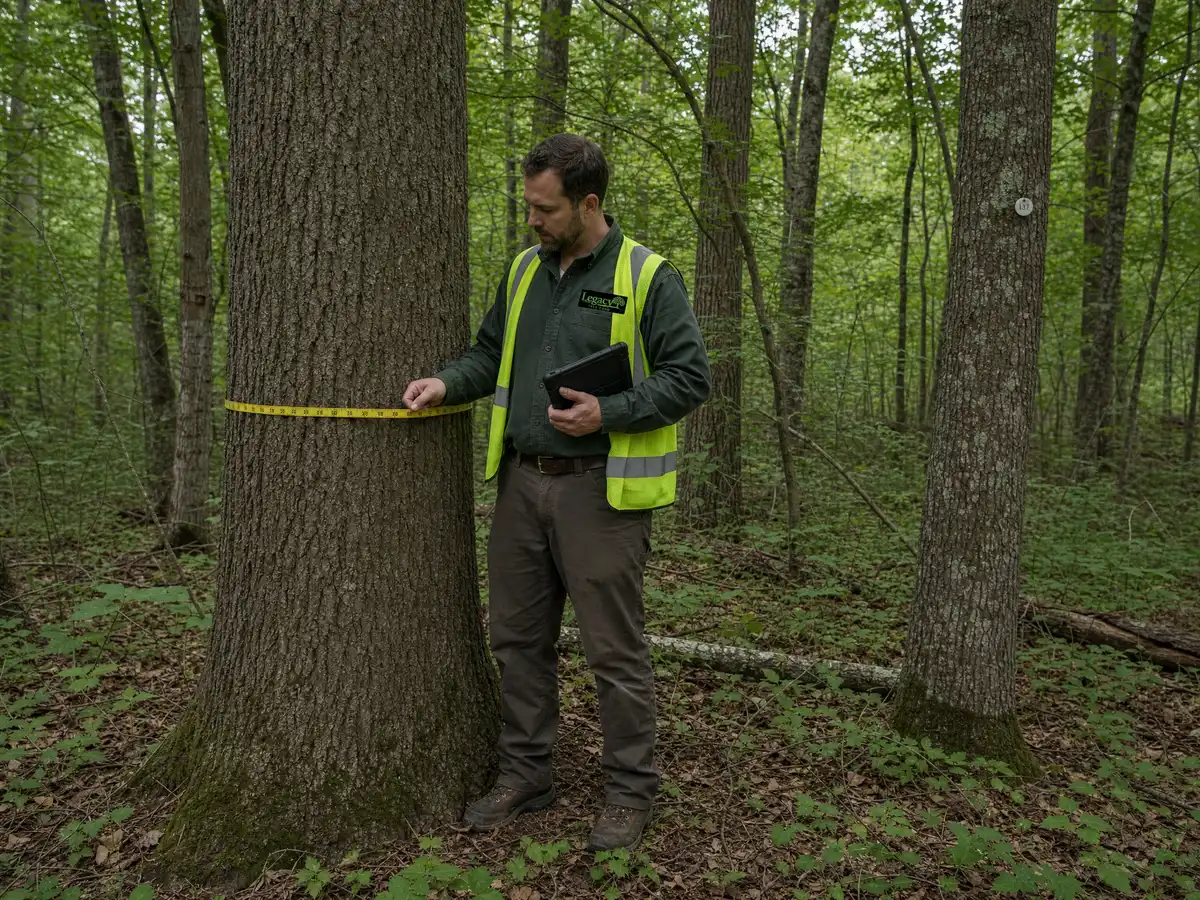
Garland credits transplanting on a scale that climbs with size, reaching five inches of credit per inch at twenty-four inches and above. Moving a tree is expensive and on a heavy obligation it can still be the cheapest column.
Plano And Dallas Both Allow It, Differently.
Plano’s provision is short and conditional: the developer may pay a fee to the city in lieu of tree replacement, subject to the approval of the Director of Planning or designee. It sits directly alongside the off-site planting options, which is a fair signal of how the city ranks them.
Dallas runs a Reforestation Fund and pairs it with a Sustainable Development Incentive, which allows mitigation reductions for qualifying practices. That’s a different proposition from a straight fee: rather than paying the obligation away, you reduce it by how the site is built.
Wylie’s fund isn’t voluntary at all. Its receipts come from penalties on conviction and go to a special account supporting supplemental landscape planting in public areas, which makes it the one city here where money reaching the tree fund means something went wrong.
What A Fee Doesn’t Buy
It settles the obligation. It leaves the property with less canopy than it had.
On a commercial site that’s a real cost even though it never appears as one: less shade over parking, less screening at a boundary, and a thinner asset at resale. Planting keeps something. Paying keeps nothing but the file.
The honest rule is that a fee earns its place when the site physically can’t take the trees, and struggles to justify itself when the site could have. That question is answerable at design stage, from the obligation and the plan, and it’s worth asking before anyone assumes planting is the only door.
The Rest Of What The Rules Ask For
The provisions themselves, explained once rather than nine times: what counts as protected, what a permit is called here, and what has to exist before a tree comes out.
- Tree Ordinance Compliance Across Collin, Dallas And Denton Counties
- Tree Mitigation Plans And What A Removal Really Costs
- Tree Removal Permits And What Each City Actually Calls It
- What Counts As A Protected Tree And Where The Line Sits
- Tree Preservation Plans: What Goes In One And Who Signs It
- Tree Protection During Construction On Commercial Sites
- Paying A Fee Instead Of Planting Replacement Trees
- Who Approves A Tree Removal, And How A Refusal Is Appealed
- Perimeter Zones, Floodplain Limits And Protected Natural Areas
- Street Trees, Rights-Of-Way And Trees On Public Property
- Tree Due Diligence Before You Buy Or Lease A Site
- When Tree Work Belongs In A Construction Schedule
- Tree Rules On An Operating Property, With No Construction
- Ordinances Get Amended, And The Version Matters
- Tree Ordinance Rules In HOA Common Areas
- Screening, Buffers And The Trees That Have To Stay
- Putting Tree Protection In A Contractor Scope Of Work
- Parking Lots, Paving And The Trees Underneath Them
- Storm Removals And What The Ordinance Still Wants After
- Trees In Easements And Who Actually Controls Them
- Choosing Replacement Trees, And Why Species Caps Exist
- Tree Ordinance Terms, Translated Into Plain Language
- How To Find Out Which Tree Rules Apply To Your Site
- See All City Tree Ordinances